
Quick answer:
Private lenders don’t just fund land—they fund land with a plan. If you’re buying raw or entitled land for development in Dallas, Tarrant, or Collin counties, your success hinges on how clearly and credibly you can explain what the land will become—and how you’ll make that happen.
At Silverton Capital, we fund all kinds of real estate investments—but land plays by different rules. Here’s how to package your vision in a way that turns heads and gets funded.
Land on its own doesn’t cash flow. It doesn’t have comps like a house. And it doesn’t offer collateral value without a defined exit.
That’s why when you pitch a land deal, we’ll ask:
Your answers don’t have to be fancy—but they do have to be organized, credible, and specific.

Here’s what separates a funded land deal from a vague dream on a napkin:
Tell us what you’re buying—and why it matters.
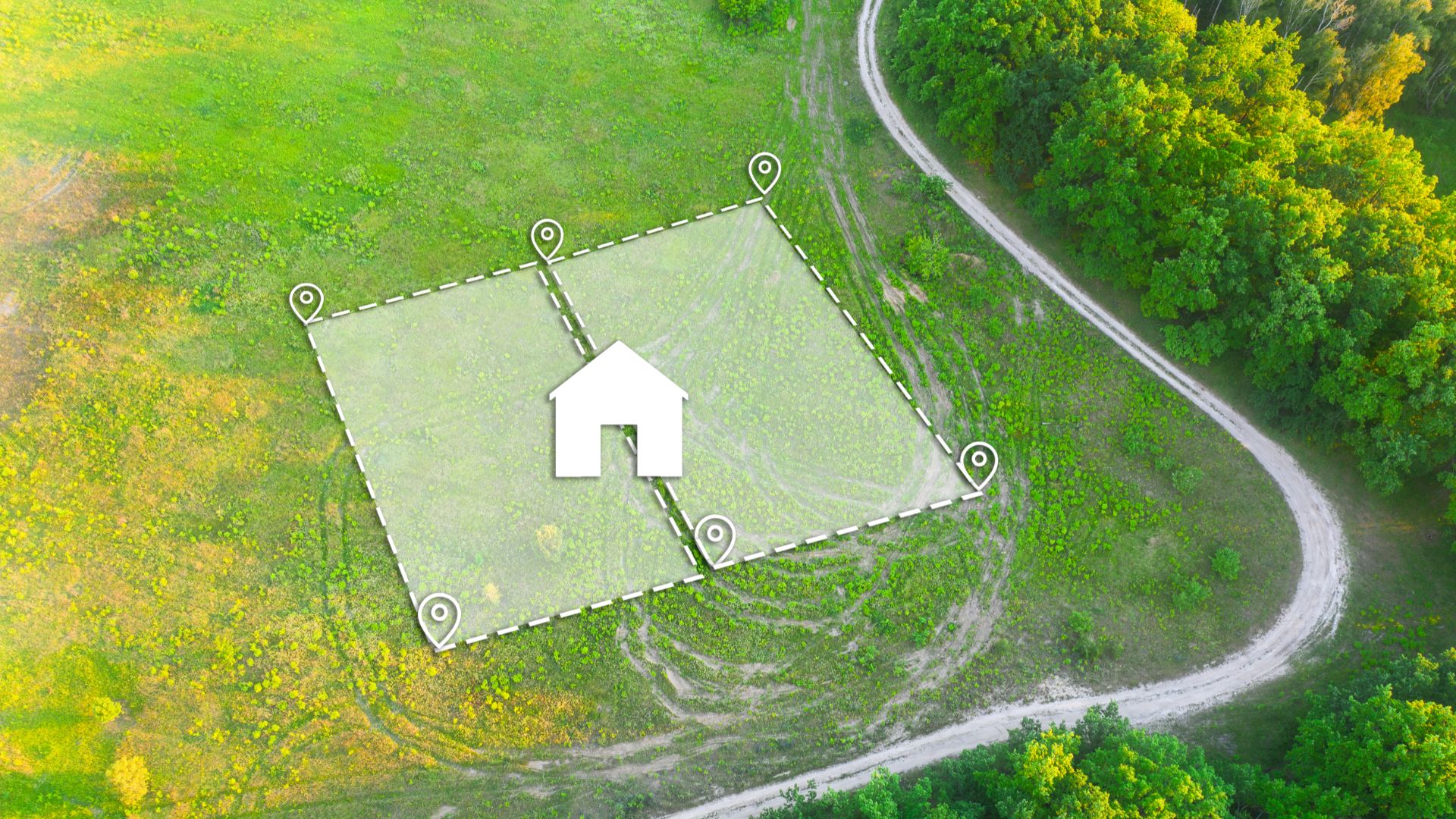
💡 Bonus points for including aerial images, zoning maps, or plats.
This is where you tell the story of the land.
For example:
We want to know what you plan to build, sell, or hold—and what value that will create.
Time kills deals—so show us you understand what’s next.
Include estimated timing for:
Even if you don’t have every detail locked in, show that you’ve thought about sequencing.
How do you plan to pay back the loan?
Typical land loan exits include:
We’ll ask for details about your end buyer, takeout lender, or construction team—so come prepared.
Even with a great idea, the numbers have to work.
Bring us:
You don’t need a full appraisal—just prove you understand your local market.
To make your loan request bulletproof, include:
The goal is not to drown your lender in detail, but to show you’ve done your homework.
Plenty of investors come to us with “great land ideas.”
But the ones who get funded are the ones who come with a plan, a timeline, and a clear path to value.
If you're buying land in Dallas, Tarrant, or Collin counties, and you're serious about development, we're here to help you move forward.
Need funding for a land acquisition or early-phase development?
Apply now with Silverton Capital—we specialize in land and construction lending for investors who know where they’re going.
This article is for informational purposes only and is not intended to serve as legal, financial, or investment advice. Please consult with a licensed professional before making financial decisions.